autonomous ports

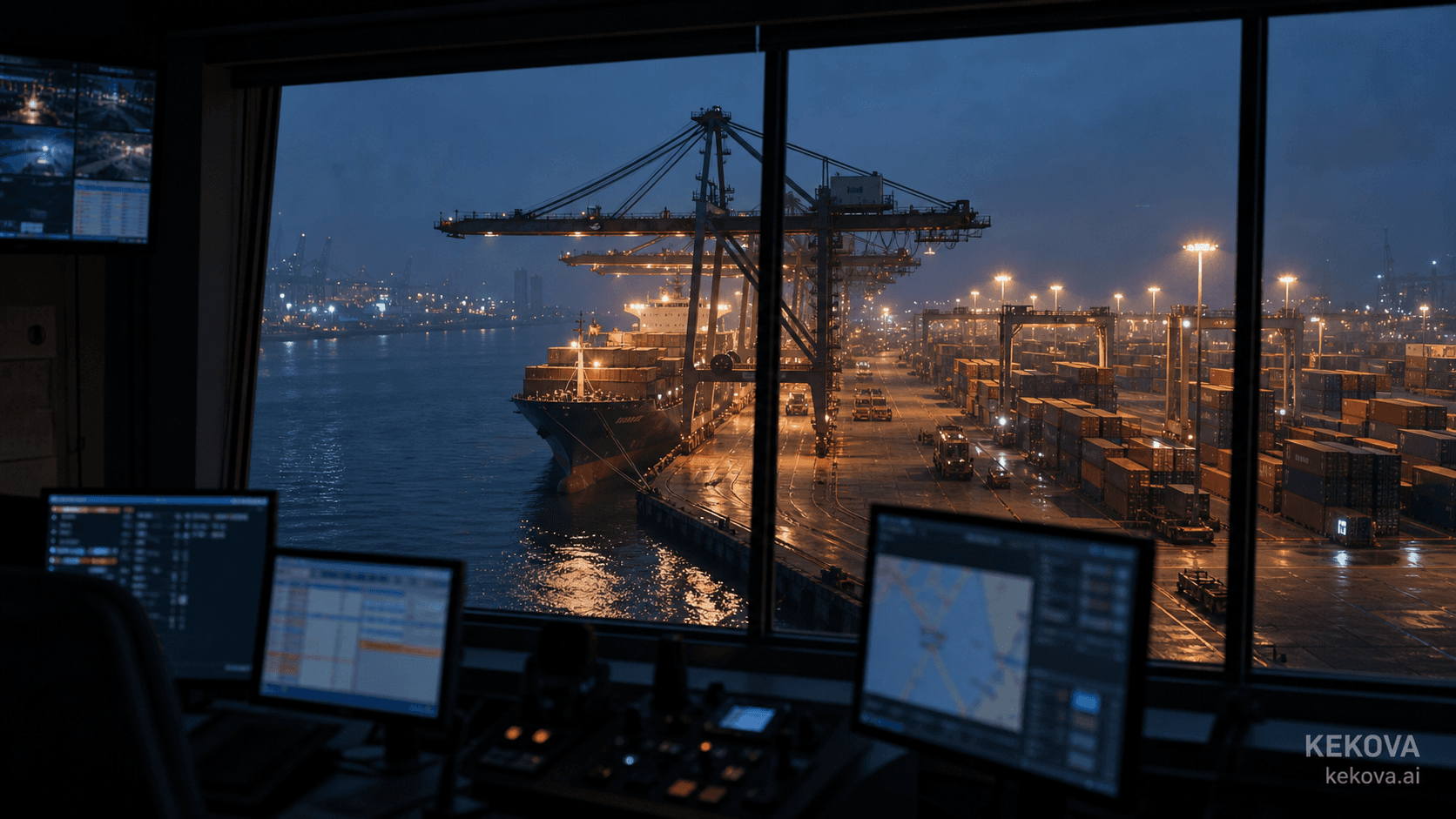
KEKOVA is building the live, physics-grounded intelligence layer for maritime infrastructure.

KEKOVA is building the live,
physics-grounded intelligence layer
for maritime infrastructure.

Why maritime

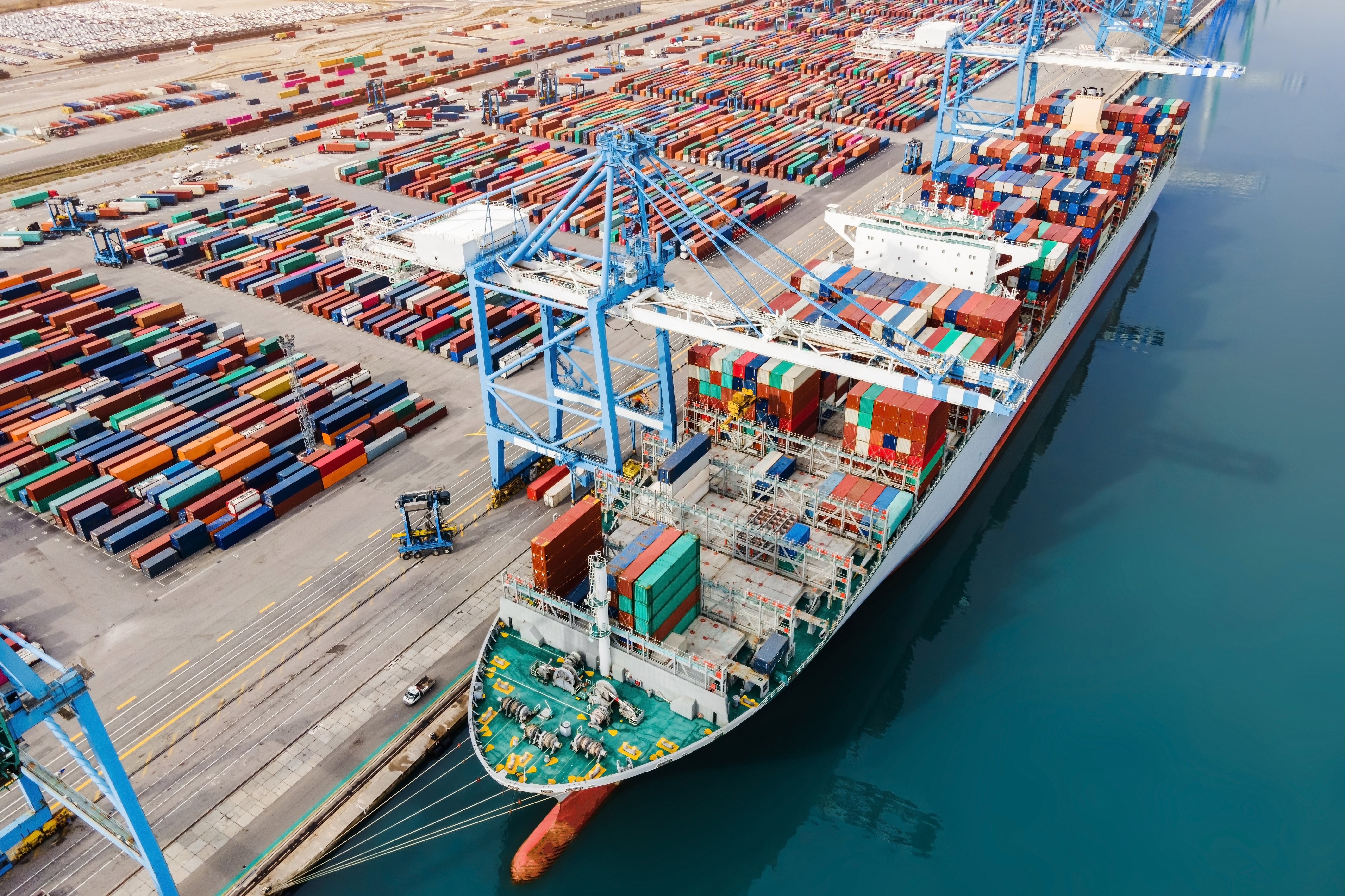
More than 80% of global goods trade by volume moves by sea. Ports are among the most important physical systems in the global economy — moving vessels, cargo, equipment, vehicles, people, and decisions through constrained environments under constant uncertainty.

The infrastructure that runs ports — vessels, terminals, traffic, equipment — is among the least digitized and least coordinated parts of the global economy. Operations are fragmented across legacy systems that were never designed to support real-time coordination, and most decisions are made on partial telemetry and static plans.

Three forces are converging now. Maritime autonomy is moving from research to deployment, with autonomous surface vessels, automated terminals, and harbor automation crossing the viability threshold. Foundation models are expanding from language into physical systems, with cross-embodiment generalization proven when grounded in real-world data.

The maritime world has not yet been instrumented as a unified, live, and physics-grounded learning system. KEKOVA is building that system.

Why maritime

More than 80% of global goods trade by volume moves by sea. Ports are among the most important physical systems in the global economy — moving vessels, cargo, equipment, vehicles, people, and decisions through constrained environments under constant uncertainty.

The infrastructure that runs ports — vessels, terminals, traffic, equipment — is among the least digitized and least coordinated parts of the global economy. Operations are fragmented across legacy systems that were never designed to support real-time coordination, and most decisions are made on partial telemetry and static plans.

Three forces are converging now. Maritime autonomy is moving from research to deployment, with autonomous surface vessels, automated terminals, and harbor automation crossing the viability threshold. Foundation models are expanding from language into physical systems, with cross-embodiment generalization proven when grounded in real-world data.

The maritime world has not yet been instrumented as a unified, live, and physics-grounded learning system. KEKOVA is building that system.

Who We are

  • Image headhsot

    Erkan Taș

    Founder

  • Image headhsot

    Erkan Taș

    Founder

  • Image headhsot

    Erkan Taș

    Founder

  • Image headhsot

    Erkan Taș

    Founder

  • Image headhsot

    Erkan Taș

    Founder

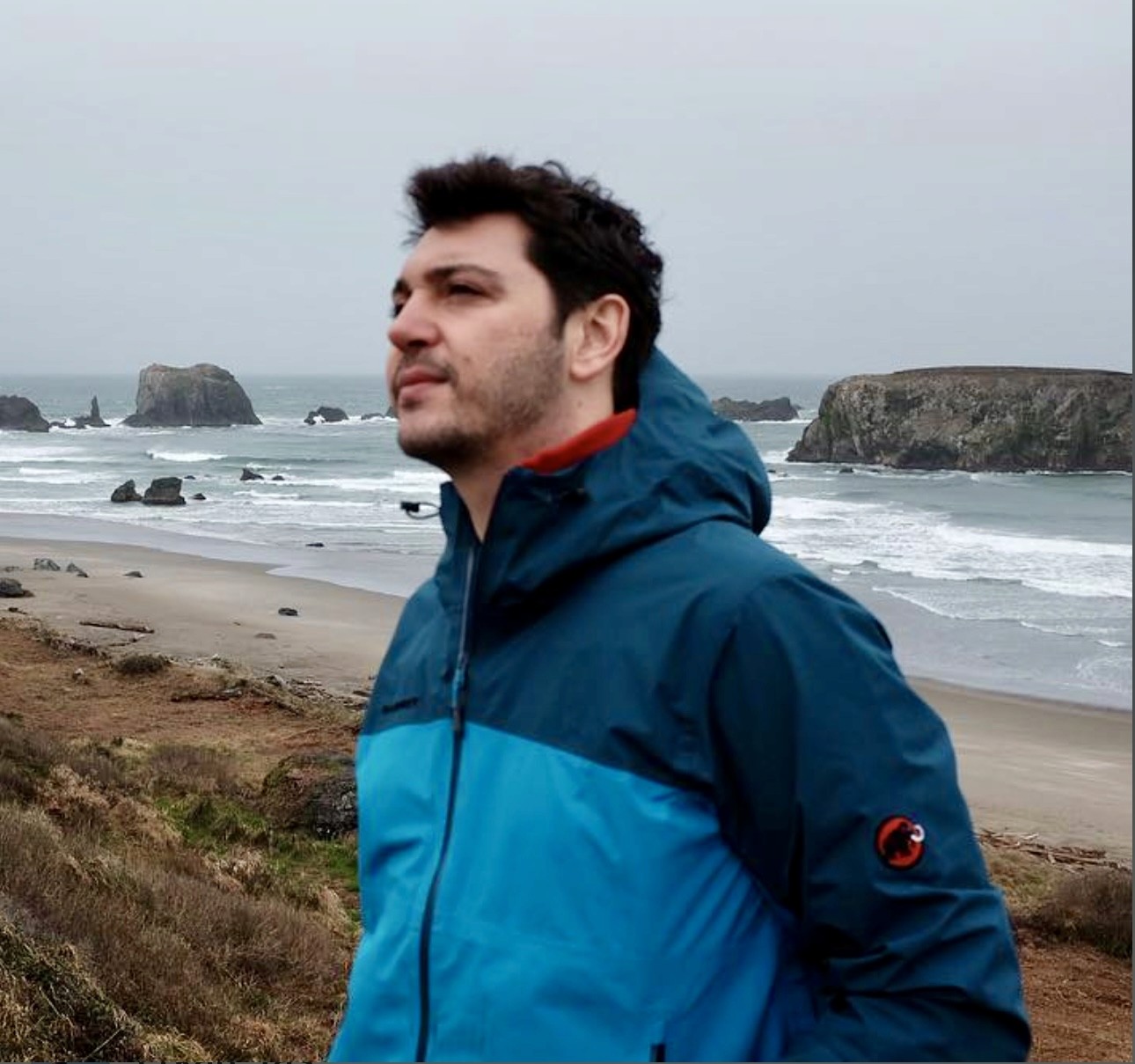
KEKOVA was founded by Erkan Taş, a product leader who has built foundational platforms and high-performing teams in Physical AI — spanning multimodal data and ML platforms, world models, simulation, robotics, foundation models, end-to-end autonomy systems, and real-world Physical AI deployment.

At Google/Waymo, he led a simulation platform, shaped the roadmap for Sim Realism, and established evaluation frameworks for autonomous trucks. At Uber ATG/Aurora, he launched robotics ML platforms, advanced perception systems, and large-scale synthetic-data pipelines to accelerate autonomy development for self-driving vehicles. At AWS, he drove SageMaker ML platform development and industry-wide AI adoption, initiating partnerships with the open-source Jupyter community and enterprises including NASA JPL.

He holds a Master of Data Science from UC Berkeley, with a focus on artificial intelligence, and an MBA from the University of Washington, where he received the Dean’s Merit Fellowship.

Erkan’s expertise is in accelerating the real-world adoption of Physical AI by translating advances in AI and simulation research into cohesive, scalable, developer-first platforms — enabling simulation-driven development, robust model evaluation, and reliable deployment of AI systems operating in the physical world.

KEKOVA brings that experience to maritime infrastructure — one of the most important physical systems in the world, and one of the least served by modern Physical AI.

Connect with Erkan on LinkedIn →

Follow Erkan on X →

Our Reach

Based in the San Francisco Bay Area, Serving Ports Across the Globe.

One System, Four Layers

A vertically-integrated Physical AI stack with four tightly-coupled layers live sensor data, real-port world models with closed-loop multi-agent simulation, a maritime-native foundation model, and a developer platform engineered as one system. The intelligence layer for the autonomous maritime world.

A vertically-integrated Physical AI stack with four tightly-coupled layers live sensor data, real-port world models with closed-loop multi-agent simulation, a maritime-native foundation model, and a developer platform engineered as one system. The intelligence layer for the autonomous maritime world.

A vertically-integrated Physical AI stack with four tightly-coupled layers live sensor data, real-port world models with closed-loop multi-agent simulation, a maritime-native foundation model, and a developer platform engineered as one system. The intelligence layer for the autonomous maritime world.

Let's Get to Work

Autonomy developers, port operators, and defense and logistics partners get in touch.

Autonomy developers, port operators, and defense and logistics partners — get in touch.

Port