One System, Four Layers

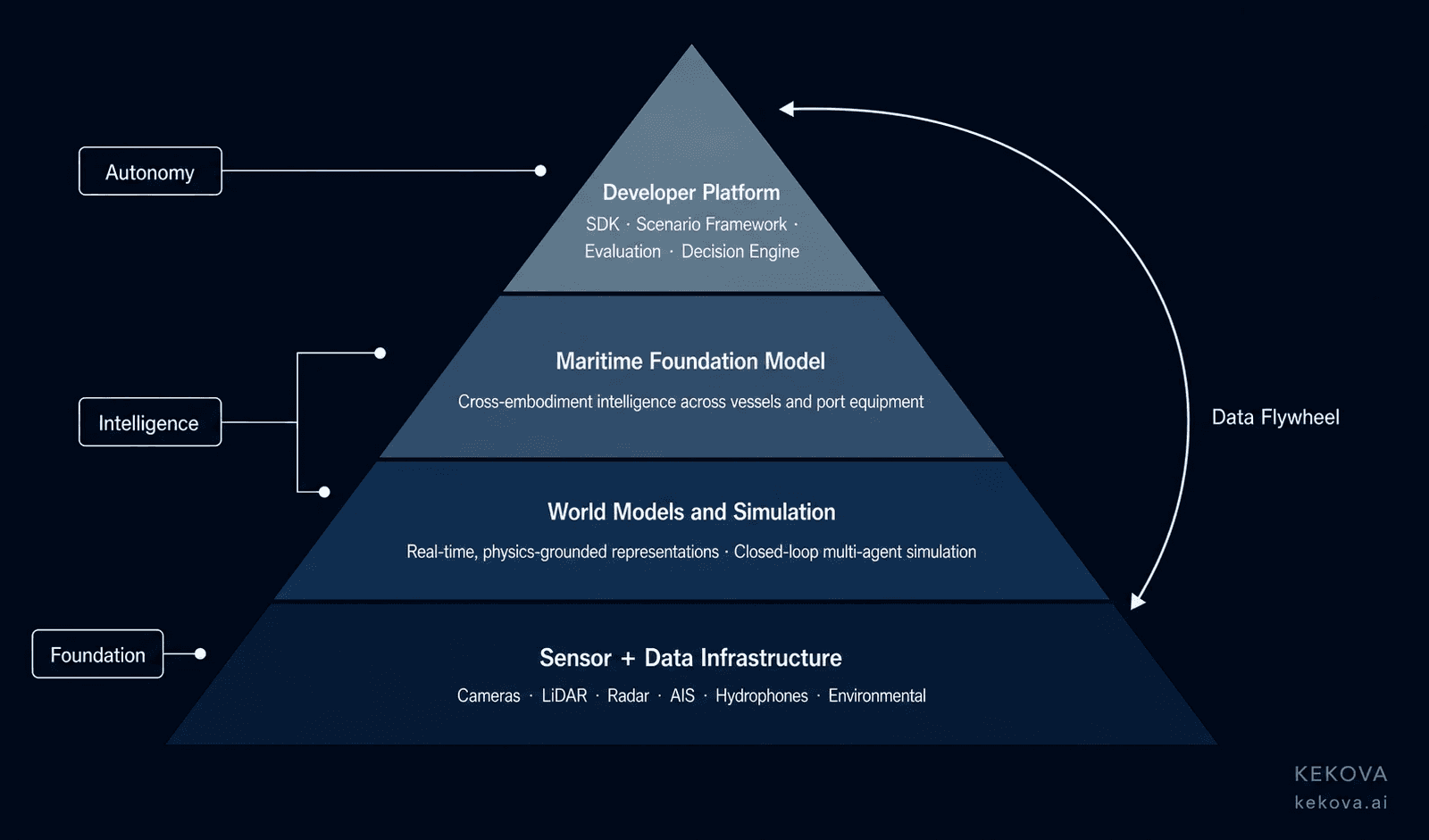
KEKOVA’s platform is engineered as one system across four tightly-coupled layers sensor infrastructure, world models with closed-loop multi-agent simulation, a maritime-native foundation model, and a developer platform that exposes everything beneath it. Together, they are the intelligence layer for the autonomous maritime world.

KEKOVA’s platform is engineered as one system across four tightly-coupled layers sensor infrastructure, world models with closed-loop multi-agent simulation, a maritime-native foundation model, and a developer platform that exposes everything beneath it. Together, they are the intelligence layer for the autonomous maritime world.

KEKOVA Platform

Why vertically integrated?

Maritime AI has been built the wrong way for a decade point tools bolted onto incompatible data, models trained on synthetic distributions that don’t survive contact with real ports, autonomy stacks evaluated in simulators their developers don’t trust. The result is a category that has consumed billions in capital and produced almost no real-world deployment. KEKOVA is built on a different bet: that the only way to deliver Physical AI for maritime infrastructure is to own the whole stack from the sensor at the dock to the foundation model that generalizes across vessels and ports and to run a data flywheel that compounds with every deployment. The four layers are tightly coupled by design. Each layer is a serious engineering problem in its own right. None is useful in isolation. Real-world sensor data trains world models. World models drive closed-loop simulation. Simulation expands the developer platform. The platform attracts the next generation of maritime autonomy which produces the next generation of data. One company. One system. One compounding loop.

Maritime AI has been built the wrong way for a decade point tools bolted onto incompatible data, models trained on synthetic distributions that don’t survive contact with real ports, autonomy stacks evaluated in simulators their developers don’t trust. The result is a category that has consumed billions in capital and produced almost no real-world deployment. KEKOVA is built on a different bet: that the only way to deliver Physical AI for maritime infrastructure is to own the whole stack from the sensor at the dock to the foundation model that generalizes across vessels and ports and to run a data flywheel that compounds with every deployment. The four layers are tightly coupled by design. Each layer is a serious engineering problem in its own right. None is useful in isolation. Real-world sensor data trains world models. World models drive closed-loop simulation. Simulation expands the developer platform. The platform attracts the next generation of maritime autonomy which produces the next generation of data. One company. One system. One compounding loop.

interface of the freight platform

Layer 1

Sensor + Data Infrastructure

Sensor + Data Infrastructure

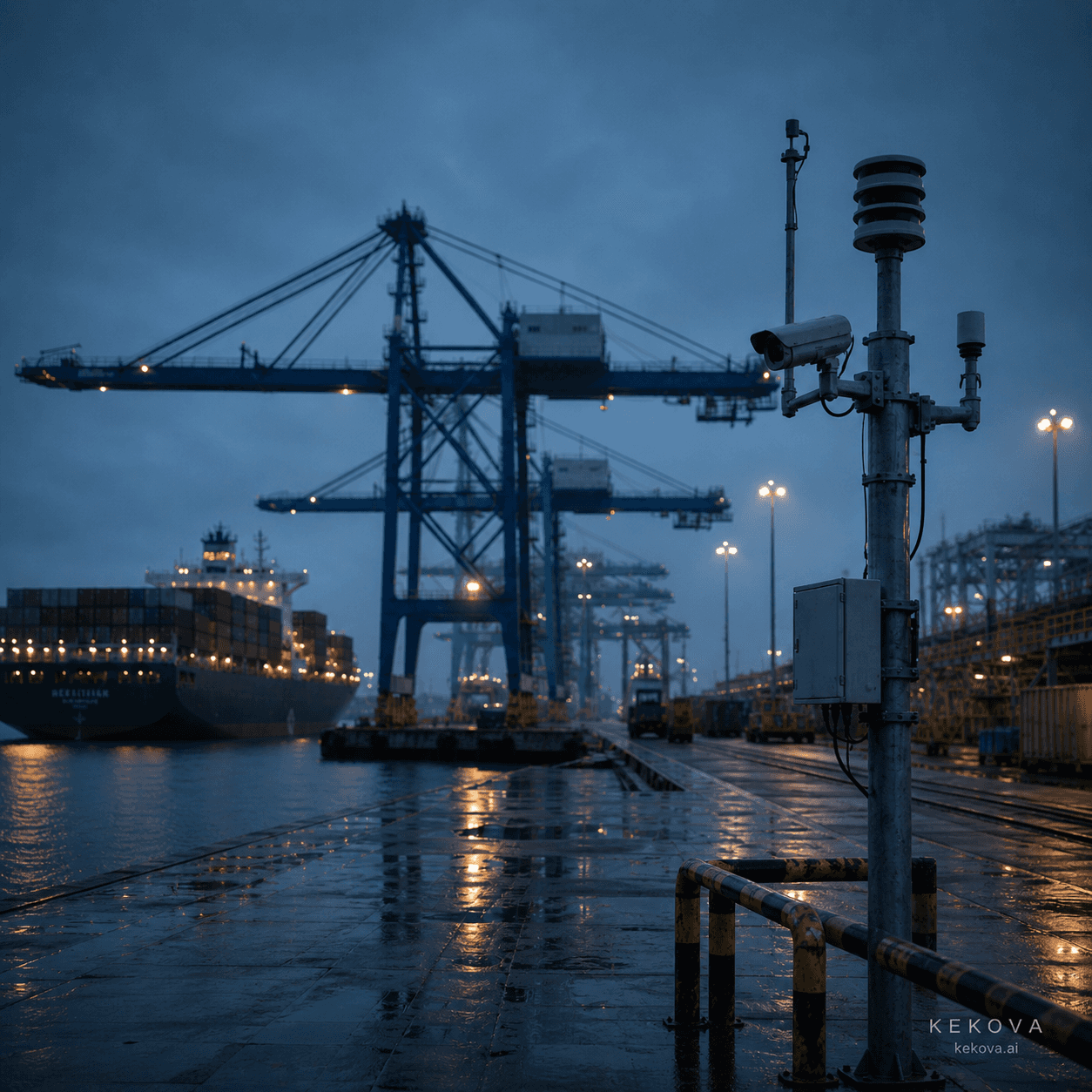
Cameras, LiDAR, radar, AIS, hydrophones, and environmental sensors deployed at real ports. Edge compute at each site handles time-sync, calibration, sensor fusion, and streaming. Output is calibrated, time-aligned, multimodal data — the ground truth that maritime AI runs on. Every instrumented deployment becomes a permanent contributor to the maritime data foundation.

Cameras, LiDAR, radar, AIS, hydrophones, and environmental sensors deployed at real ports. Edge compute at each site handles time-sync, calibration, sensor fusion, and streaming. Output is calibrated, time-aligned, multimodal data — the ground truth that maritime AI runs on. Every instrumented deployment becomes a permanent contributor to the maritime data foundation.

LAYER 2

World Models and Simulation

World Models and Simulation

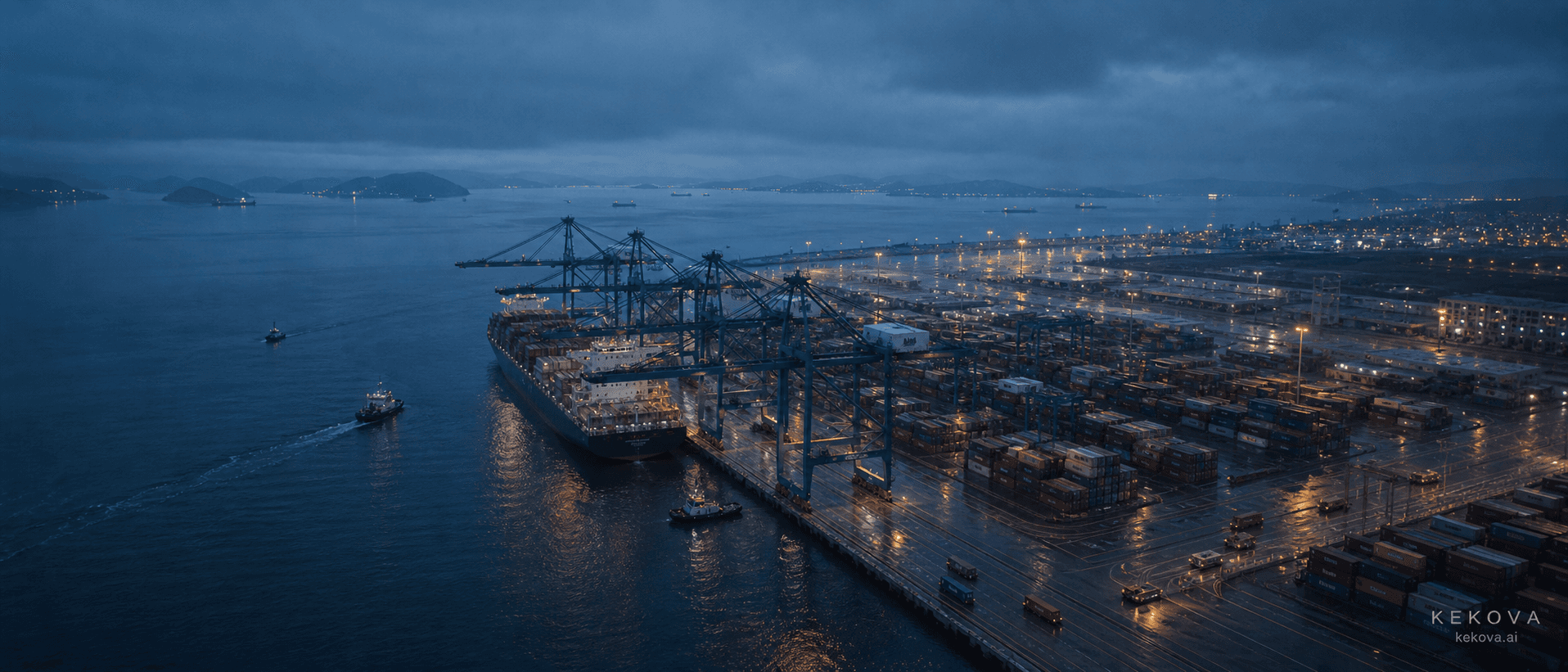
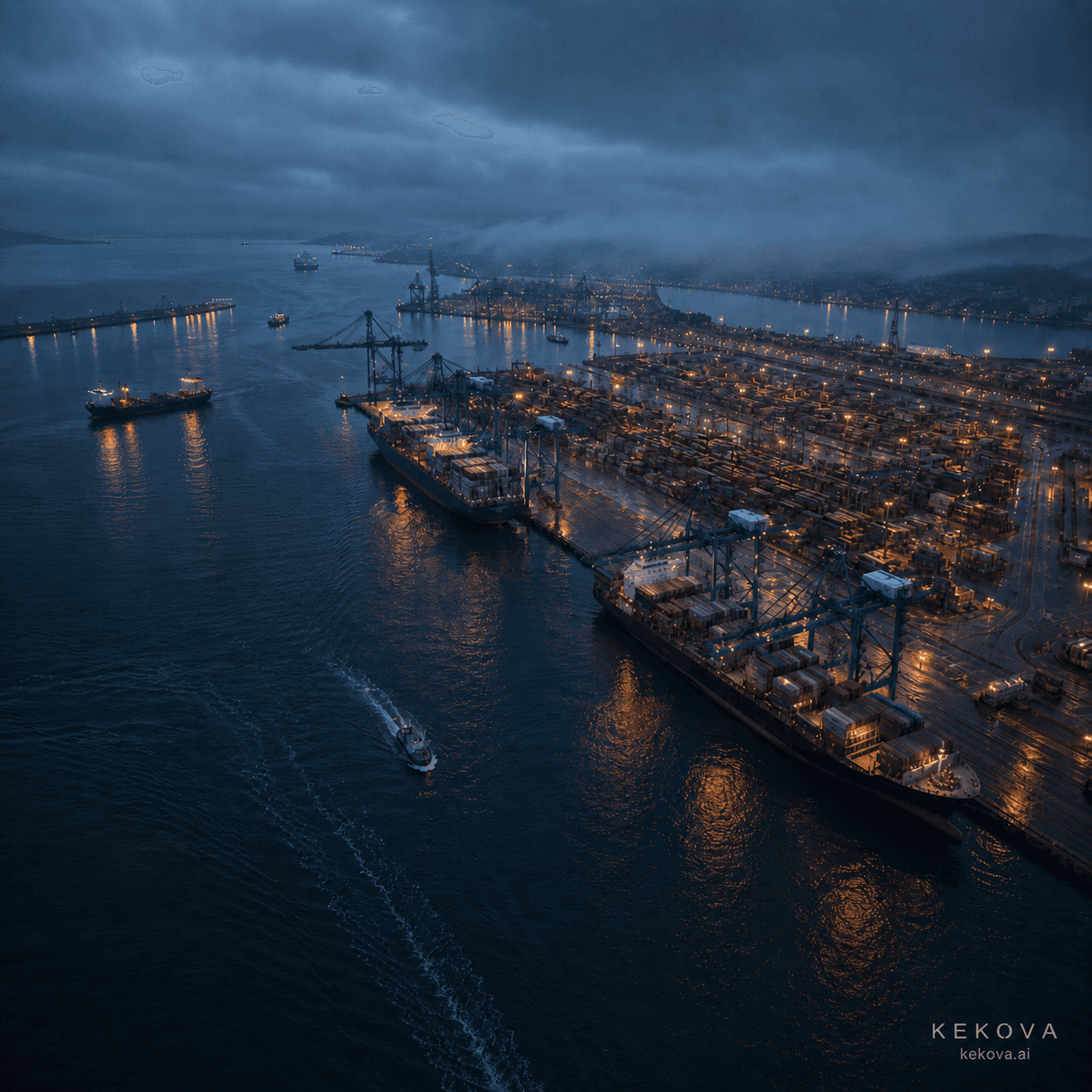
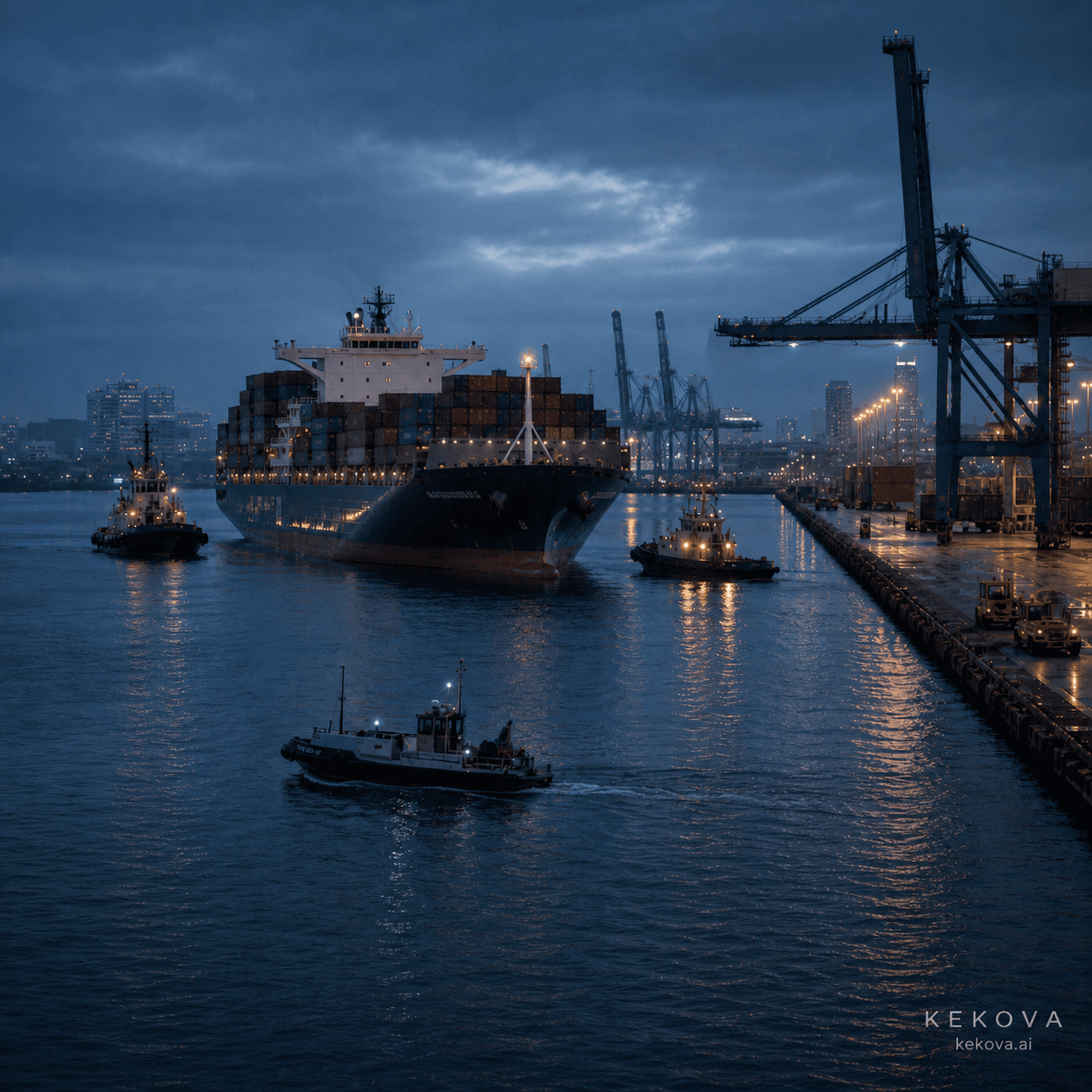
Real-time, physics-grounded representations of specific ports and their surrounding waters: vessels, berths, cranes, containers, yard equipment, weather, tides, currents, traffic. Continuously updated from live sensor streams. Built for the operating envelope of maritime environments — wide dynamic range, partial observability, multi-vessel interactions, sea state, regulatory zones. Closed-loop multi-agent simulation runs against the same world models the deployed systems use — no domain gap by design. Together they form the substrate that makes both deployment and validation work.
interface of the freight platform

Layer 3

Maritime Foundation Model

Maritime Foundation Model

A multimodal, multi-agent model of the maritime world. Designed for cross-embodiment generalization across vessel classes — container ships, tugs, autonomous surface vessels, harbor craft — port equipment such as cranes, AGVs, and terminal tractors, and coordination surfaces including berth allocation, traffic management, and multi-vessel maneuvering. Grounded in real-world data from every instrumented deployment.

LAYER 4

Developer Platform

Developer Platform

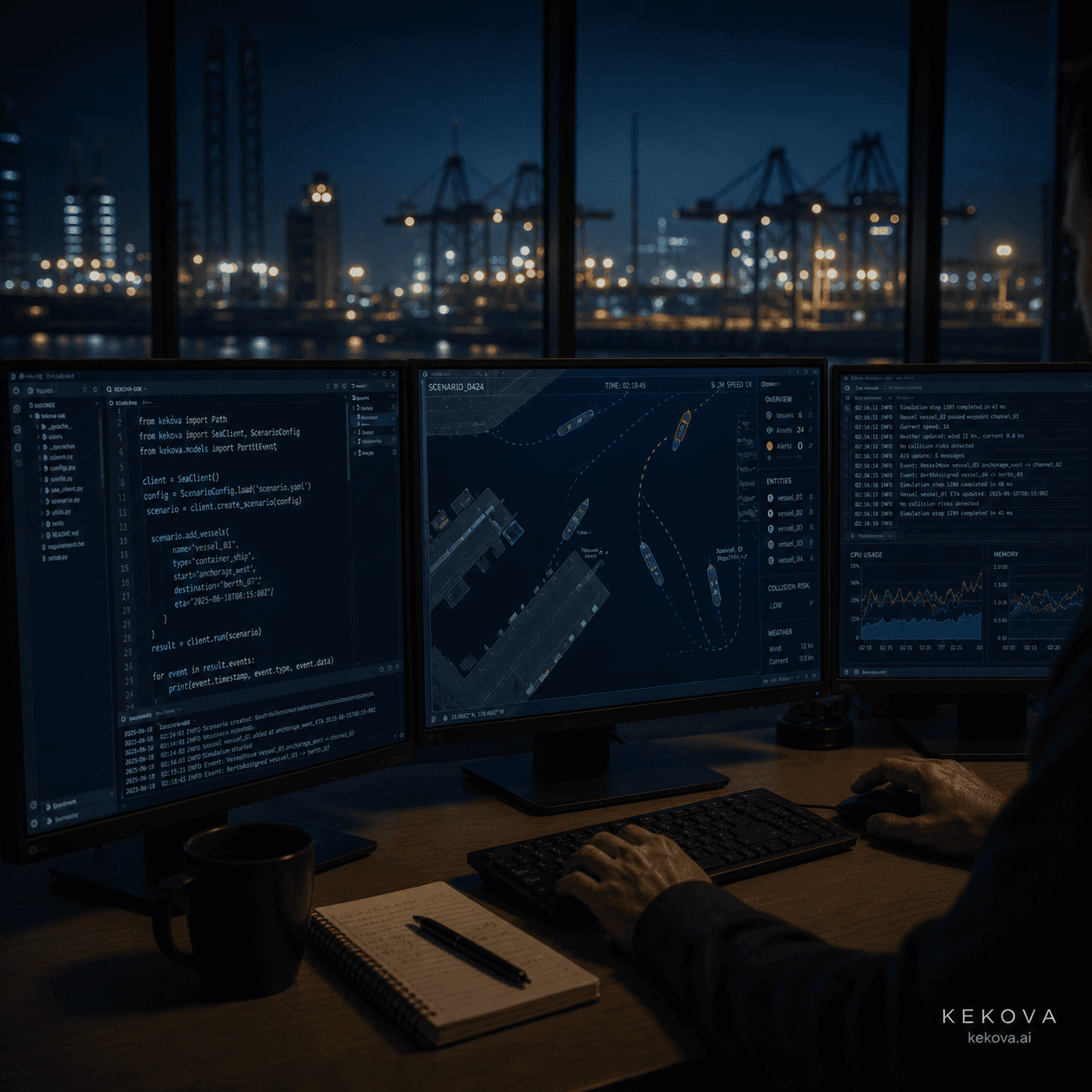
The customer-facing surface. An open SDK, a scenario framework grounded in real-port world models, a reproducible evaluation environment, and a decision engine. pip install kekova-sdk and build against the same world models, simulation, and FM inference that power KEKOVA’s deployments. Port operators integrate the decision engine for real-time situational intelligence and progressively autonomous coordination. Defense and logistics partners deploy in their own environments under the data and inference SLAs their missions require.
interface of the freight platform

our customers

The platform serves three customer segments. Each consumes a different combination of layers, and each contributes to the data flywheel.
Autonomy Developers

Build, simulate, and validate maritime autonomy on the developer platform. World models, scenario framework, evaluation, FM inference.
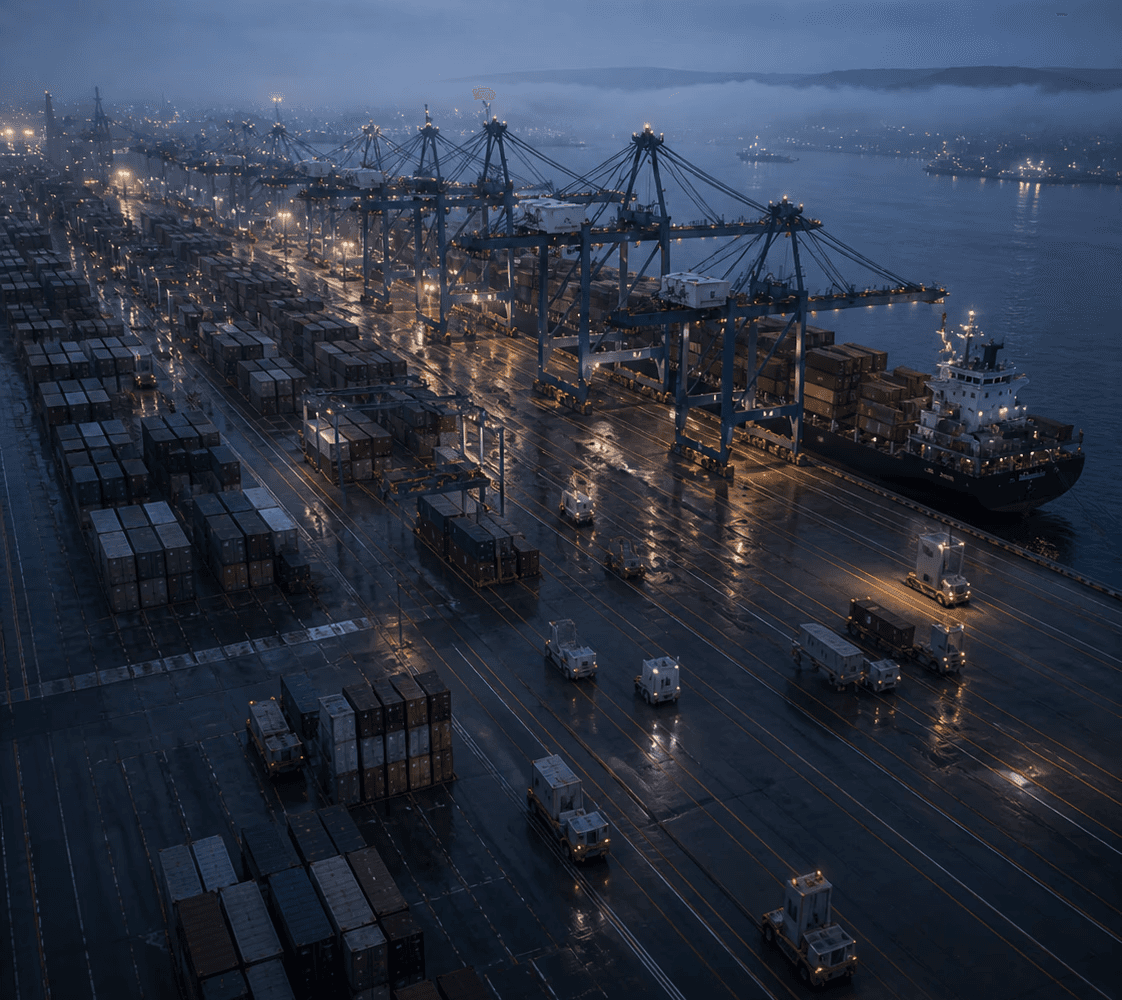
Port Operators

Real-time decision support today, progressively autonomous coordination over time. Sensor infrastructure, world models, decision engine.
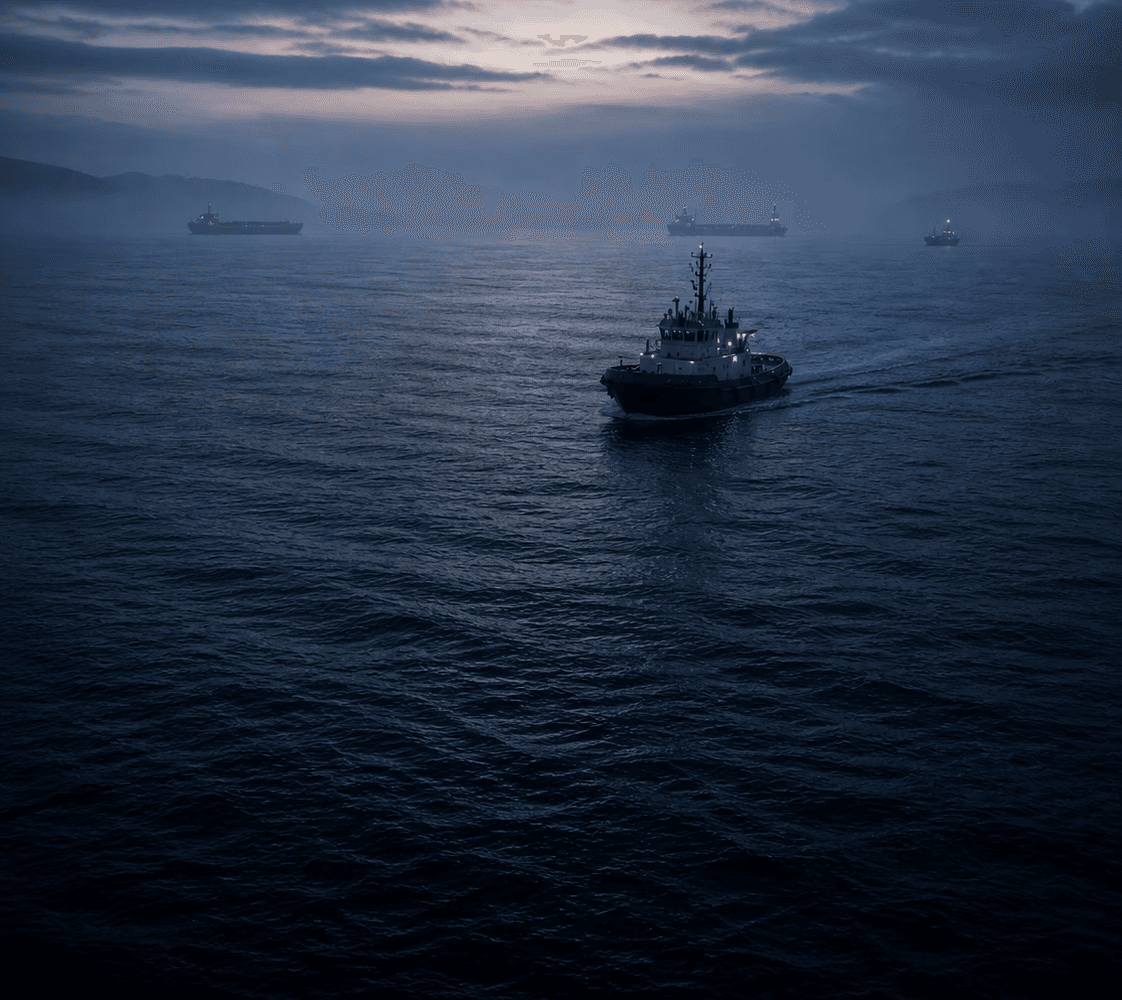
Defense and Logistics Partners

Live situational intelligence in mission environments. Full-stack deployment with the data and inference SLAs the mission requires.

How we build

[01]

Real data first. Every model is grounded in real-port data before it sees synthetic.

[01]

Real data first. Every model is grounded in real-port data before it sees synthetic.

[02]

Closed-loop simulation. The simulator runs the same world model the deployed systems use. No domain gap by design.

[02]

Closed-loop simulation. The simulator runs the same world model the deployed systems use. No domain gap by design.

[03]

Open developer surface. Open SDK, versioned scenarios, reproducible evaluation. The foundation maritime autonomy gets built on.

[03]

Open developer surface. Open SDK, versioned scenarios, reproducible evaluation. The foundation maritime autonomy gets built on.

[04]

Cross-embodiment by architecture. The foundation model generalizes across vessels, equipment, and coordination surfaces. Per-vessel models don’t scale.

[04]

Cross-embodiment by architecture. The foundation model generalizes across vessels, equipment, and coordination surfaces. Per-vessel models don’t scale.

[05]

Vertical integration. Sensor through foundation model, engineered as one system.

[05]

Vertical integration. Sensor through foundation model, engineered as one system.

[06]

Compounding by data flywheel. Every deployment trains the next generation of the system. The platform gets stronger with every port, scenario, and developer.

[06]

Compounding by data flywheel. Every deployment trains the next generation of the system. The platform gets stronger with every port, scenario, and developer.

How we build

[01]

Real data first. Every model is grounded in real-port data before it sees synthetic.

[02]

Closed-loop simulation. The simulator runs the same world model the deployed systems use. No domain gap by design.

[03]

Open developer surface. Open SDK, versioned scenarios, reproducible evaluation. The foundation maritime autonomy gets built on.

[04]

Cross-embodiment by architecture. The foundation model generalizes across vessels, equipment, and coordination surfaces. Per-vessel models don’t scale.

[05]

Vertical integration. Sensor through foundation model, engineered as one system.

[06]

Compounding by data flywheel. Every deployment trains the next generation of the system. The platform gets stronger with every port, scenario, and developer.

Let's Get to Work

Autonomy developers, port operators, and defense and logistics partners get in touch.

Autonomy developers, port operators, and defense and logistics partners — get in touch.

Port