The Intelligence Layer For The Maritime World
Introduction
More than 80% of global goods trade by volume moves by sea, through infrastructure that has never been instrumented as a unified, real-time learning system. The company that owns the maritime data flywheel — and the foundation model that runs on it — becomes the intelligence layer the next decade of maritime infrastructure runs on. This is the bet KEKOVA is built on.
Date
05.01.26
Author
Erkan Taș
Type
Insights

The Intelligence Layer For The Maritime World
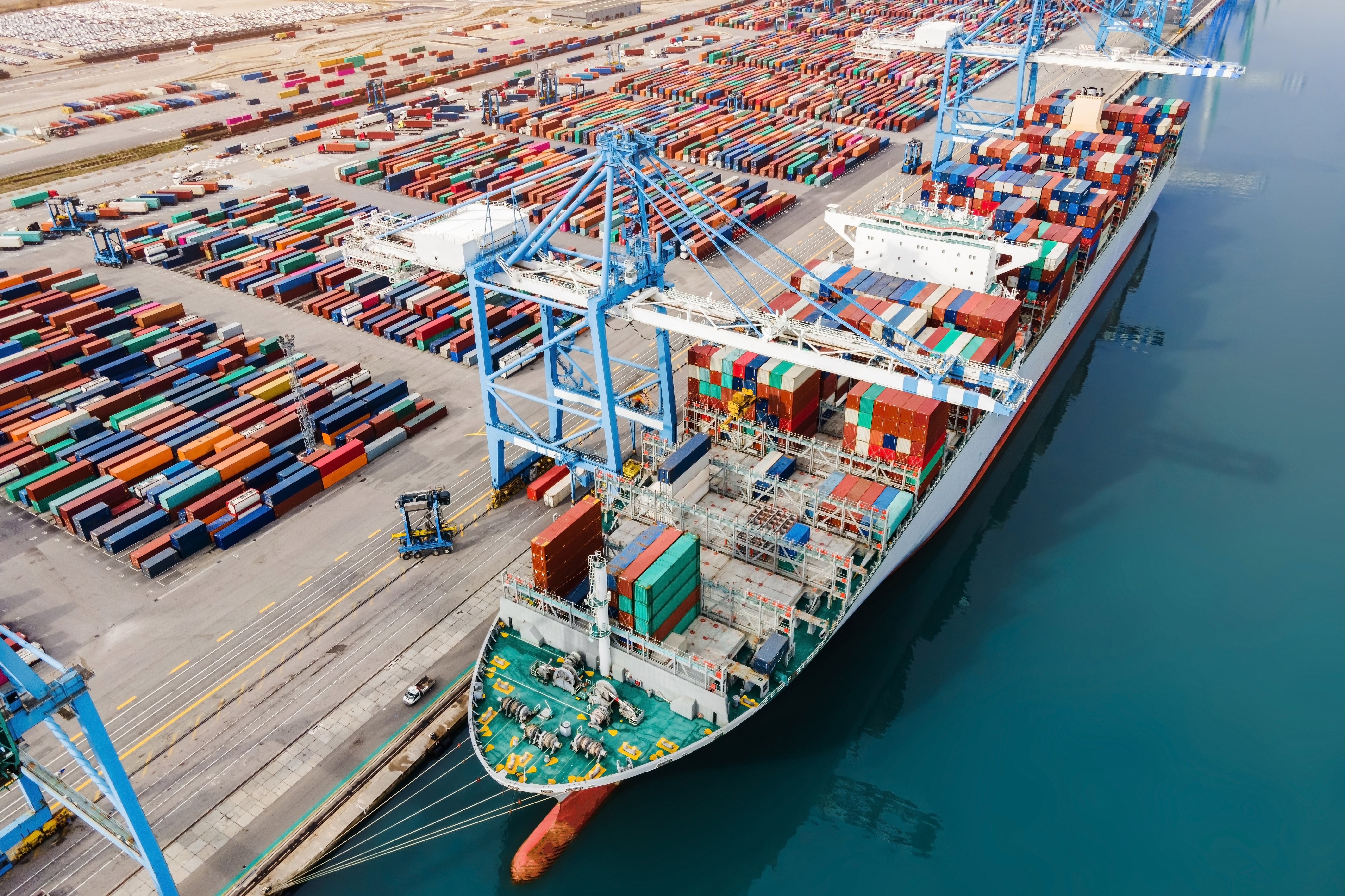
More than 80% of global goods trade by volume moves by sea. The infrastructure that runs it — vessels, terminals, traffic, equipment, and the choreography of every physical system moving through a port — remains fragmented, under-instrumented, and under-coordinated.
This is not a small problem hidden inside a large system. It is the system. And the stack required to understand it — from the sensors on the quay, to the models that interpret the world, to the developer platform that turns intelligence into operational decisions — has not yet been built as one compounding architecture.
Maritime AI today is mostly point tools layered on top of incompatible data. Digital twins that are not continuously grounded in the physical world. Simulators that autonomy developers struggle to trust. Optimization systems that solve narrow workflows without learning from the broader operating environment. The issue is not talent. It is architecture.
The companies winning Physical AI categories at scale are not building point tools. They are building vertically integrated intelligence layers: owning the data, owning the models, owning the developer surface, and compounding every deployment into a stronger system. Waymo did this for autonomous vehicles. Anduril did this for defense. Tesla did this for consumer autonomy. The pattern is consistent: own the data flywheel, build the model layer, expose the platform, and generalize from there.
Maritime has not had a company built this way.
KEKOVA is building the live, physics-grounded intelligence layer for maritime infrastructure: sensors at real ports, dynamic world models of the systems they observe, closed-loop multi-agent simulation, a maritime-native foundation model designed for cross-embodiment across vessels and port equipment, and a developer platform that exposes the core capabilities beneath it.
One company. One system. One compounding loop.
Three forces make this the right moment. Maritime autonomy is moving from research toward deployment. Foundation models are expanding from language into physical systems. And the maritime data moat is still open: no incumbent has instrumented the maritime world as a real-time, model-building platform.
The next decade of maritime infrastructure will run on an intelligence layer that does not exist yet.
We are building it.
— Erkan Taş
Let's Get to Work